
 0844 963 3040
Posts by paularnett
What Information Is Needed Before Starting Pump Station Design?
Before an adoptable pumping station can be designed, the project team needs to establish what the station will be required to do and how it fits into the wider development. The difficulty is that some of the information needed for the pumping station design may still be evolving. Drainage layouts, sewer levels, rising main routes…
Read MoreHow Many Pump Starts per Hour Should an Adoptable Pumping Station Have?
The number of times a sewage pump starts each hour is an important part of adoptable pumping station design. If a pump starts too frequently, it can increase wear on motors, starters and mechanical equipment, potentially affecting long-term reliability and maintenance costs. However, reducing pump starts is not simply a case of increasing the wet…
Read MoreHow Do You Calculate Wet Well Storage?
Getting the wet well storage right is an important part of designing an adoptable pumping station. The wet well needs sufficient volume to manage normal pump operation, while the wider drainage system must also provide the required emergency storage in the event of pump failure or loss of power. The difficulty is that these are…
Read MoreHow Do You Size a Rising Main?
Rising main sizing is an important part of designing an adoptable pumping station, but it is not simply a case of selecting a pipe diameter that will carry the required flow. The rising main affects the hydraulic conditions the pumps must overcome, the velocity of wastewater through the system and how long it remains in…
Read MoreWhat Size Pumping Station Do I Need for a Housing Development?
For a new housing development, establishing the correct pumping station size is an important part of the drainage design. Whether the scheme involves 20 homes or several hundred, the required pumping station depends on more than the number of properties being served. Wastewater flows, site levels, rising main length, storage requirements and the intended adopting…
Read MoreHow Is Pump Duty Calculated for an Adoptable Pumping Station?
Getting the pump duty right is one of the most important parts of designing an adoptable pumping station. The calculation determines whether the selected pumps can deliver the required wastewater flow against the hydraulic conditions of the system. If those conditions have not been fully established, a pump that appears suitable on paper may not…
Read MoreFrom Commissioning to Adoption: What Happens Next for an Adoptable Pumping Station?
Reaching commissioning is an important point in any pumping station project. By this stage, the equipment has been installed, the main mechanical and electrical works are complete and the station is approaching the point where it can begin performing the role it was designed for. For an adoptable pumping station, however, commissioning does not necessarily…
Read MoreManaging Change on a Pumping Station Project: What Happens When the Design Moves?
Few construction projects finish exactly as they were first drawn. Drainage layouts evolve. Levels change. Rising main routes move. Development phasing can alter. The proposed adopting organisation may even change altogether. None of this is particularly unusual. The challenge is making sure changes made in one part of the development do not create unexpected consequences…
Read MoreWhat Should Be Checked Before an Adoptable Pumping Station Is Commissioned?
By the time a pumping station reaches commissioning, most of the work that determines whether the process will run smoothly has already happened. The civil structures have been built. The pumps and associated equipment have been installed. The rising main is in place and the electrical and control systems have progressed towards completion. Commissioning is…
Read MorePumping Station Design Coordination: Where Civils and M&E Need to Align
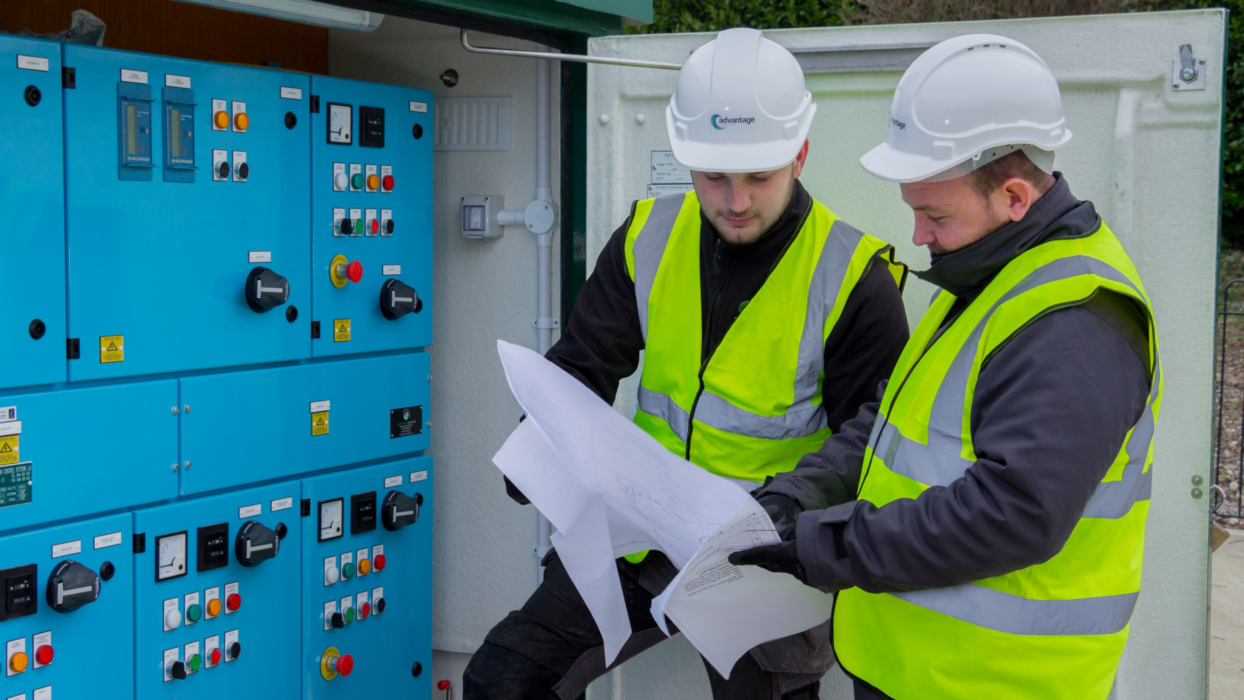
For an adoptable pumping station, the structural design will normally form part of the technical approval and provide the basis for the civils works. The risk comes when later changes, assumptions or M&E requirements are not fully coordinated across the design. A wet well may be correctly designed. The pumps may be correctly selected. The…
Read More