
 0844 963 3040
Flood Resilience and Infrastructure: The Growing Role of Pumping Stations in Modern Developments
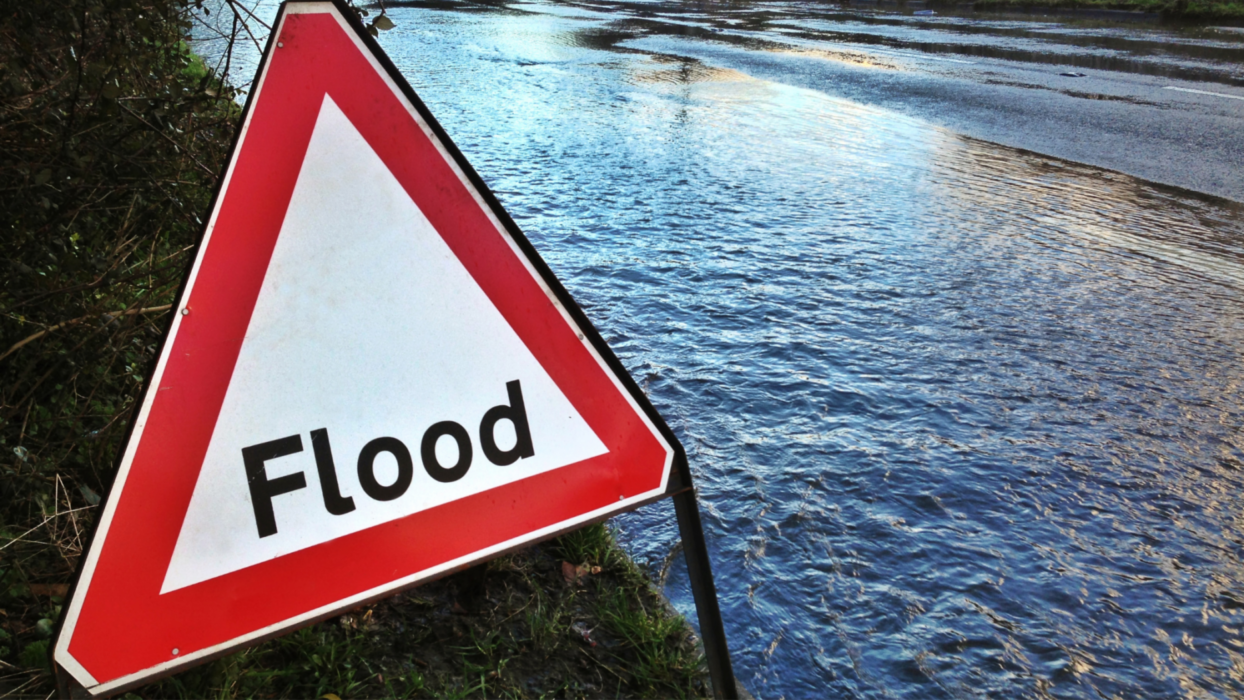
As climate pressures increase and rainfall events become more extreme, the role of pumping infrastructure is becoming more important than ever.
Across residential developments, transport networks, public infrastructure, and flood defence schemes, pumping stations are increasingly being relied upon to manage water effectively, protect assets, and support long-term resilience.
For developers, consultants, and contractors, this shift means pumping infrastructure can no longer be viewed as a simple utility component. It has become a critical part of modern infrastructure planning.
Flood Risk Is Changing
The UK’s flood management strategy continues to evolve as authorities respond to changing weather patterns and increased development pressures.
New developments are expected to demonstrate greater resilience, while existing infrastructure is being upgraded to cope with future demand.
As a result, pumping stations are playing an increasingly important role in:
• Surface water management
• Flood alleviation schemes
• Infrastructure resilience
• Protection of residential and commercial developments
• Climate adaptation strategies
Pumping Infrastructure Has Become a Critical Asset
Historically, pumping stations were often viewed as supporting infrastructure.
Today, they are frequently considered mission-critical assets.
Failure can have significant consequences, including:
• Flooding
• Environmental incidents
• Operational disruption
• Reputational damage
• Increased maintenance costs
This makes reliability, resilience, and maintainability key design priorities.
Designing for Long-Term Resilience
Modern pumping stations must be capable of operating during extreme conditions while remaining practical to maintain and operate.
Key considerations include:
• Duty and standby resilience
• Emergency control systems
• Telemetry and remote monitoring
• Safe maintenance access
• Robust materials and components
• Whole-life performance
The objective is not simply to meet today’s requirements, but to create infrastructure capable of supporting future operational demands.
Infrastructure Projects Demand More Than Equipment
Flood resilience projects often involve:
• Multiple stakeholders
• Complex approvals
• Challenging site conditions
• Operational environments
• Strict programme requirements
• Successful delivery therefore relies on more than selecting pumps and controls.
It requires technical expertise, coordination, and a clear understanding of how the pumping infrastructure integrates into the wider scheme.
Case Study: Leeds Flood Alleviation Scheme Phase 2
A strong example of this approach is the Leeds Flood Alleviation Scheme Phase 2.
Advantage Pumping Solutions delivered the mechanical and electrical works for three permanent pumping stations operating as part of a wider flood defence network.
The completed infrastructure provides:
• Reliable pumping capacity during flood events
• Resilient control and monitoring arrangements
• Long-term operational performance
• Infrastructure aligned with future flood defence requirements
The project demonstrates how pumping systems have become an integral part of critical infrastructure delivery.
View Case Study:
Leeds Flood Alleviation Scheme Phase 2
Supporting Infrastructure with Confidence
As resilience becomes increasingly important across both public and private sector projects, the role of pumping stations will continue to grow.
Developers, consultants, and contractors that consider pumping infrastructure early are often best placed to manage risk, improve performance, and future-proof their projects.
Let’s Talk
Working on a project where flood resilience, infrastructure performance, or long-term operational reliability are critical?
Talk to Advantage Pumping Solutions about how our technical expertise and delivery-focused approach can support your project from design through to commissioning and handover.