
 0844 963 3040
Procurement vs Performance: Why the Cheapest Infrastructure Solution Can Become the Most Expensive
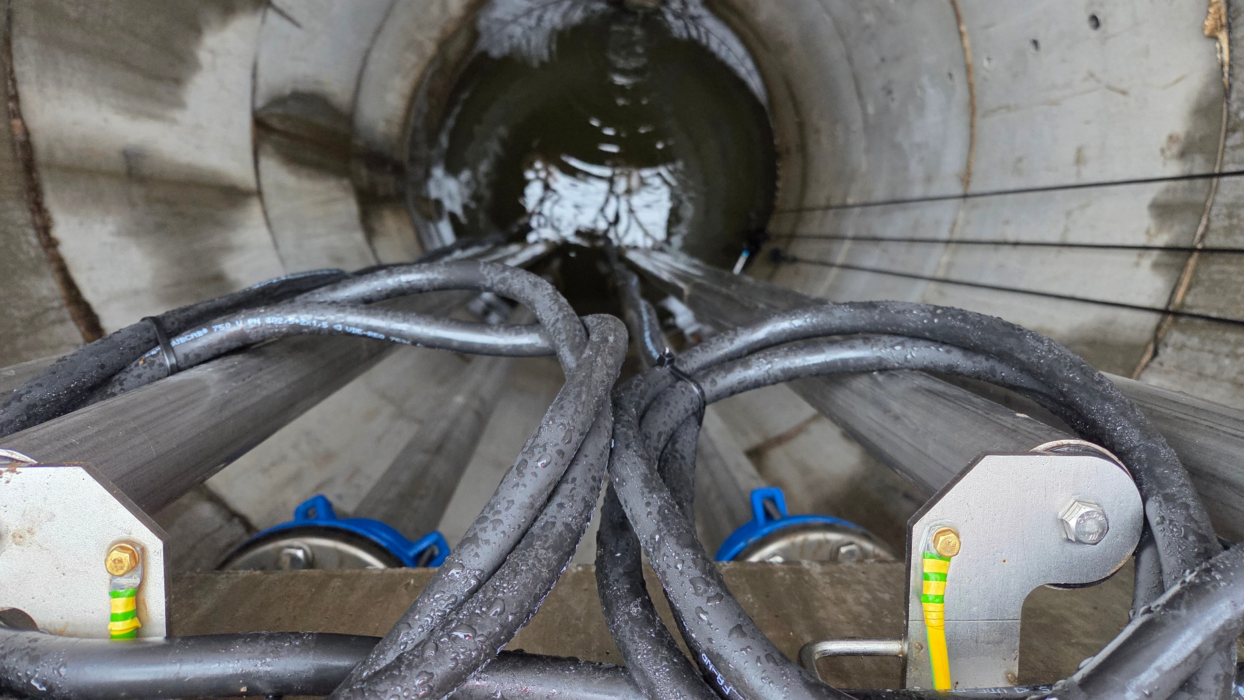
The true cost of infrastructure isn’t always visible when a project begins.
Estimated reading time: 7 minutes
In almost every construction project, cost matters.
It should.
Budgets are under pressure, margins are closely monitored and procurement teams are expected to demonstrate value at every stage of delivery.
When infrastructure packages are being reviewed, it’s natural for attention to focus on capital expenditure.
- How much will the equipment cost?
- Can the specification be reduced?
- Is there a lower-cost alternative?
These are sensible commercial questions. However, they’re only part of the conversation.
Across residential developments, commercial schemes and major infrastructure projects, we’ve observed that the lowest purchase price doesn’t always represent the lowest project cost.
Sometimes the opposite is true.
The decisions that appear to reduce expenditure during procurement can introduce additional costs later through redesign, programme delays, maintenance requirements or operational inefficiencies.
That’s why successful infrastructure projects increasingly evaluate value differently.
Rather than asking,
“What’s the cheapest solution?”
they ask,
“What’s the best long-term decision for this project?”
Looking Beyond the Purchase Price
Construction has become increasingly sophisticated in the way it evaluates value.
Developers and contractors now consider not only what infrastructure costs to purchase, but also how it influences programme certainty, installation efficiency and long-term operation.
For pumping infrastructure, this broader perspective is particularly important.
A pumping station isn’t simply installed and forgotten.
It becomes a permanent operational asset.
Its design will influence maintenance requirements, energy consumption, servicing, future replacement costs and, where appropriate, the adoption process for many years after construction has been completed.
Viewed in this context, procurement becomes less about buying equipment and more about investing in long-term performance.
The projects that recognise this early often create greater certainty throughout delivery.
When Value Engineering Creates Value—and When It Doesn’t
Value engineering is one of the most widely used phrases in construction.
At its best, it encourages teams to identify smarter, more efficient ways of delivering the same outcome.
It removes unnecessary cost without compromising quality or performance.
However, value engineering sometimes becomes confused with cost reduction alone.
These are not the same thing.
Reducing specification without understanding operational consequences may achieve a short-term saving, but it can also create additional maintenance, increased energy consumption or future operational challenges.
Good engineering asks a different question.
“Can we improve value without increasing future risk?”
Sometimes the answer is yes.
Sometimes maintaining the original specification represents the better commercial decision.
The key is understanding the difference.
Project in Practice
Engineering Around the Project, Not the Budget
Our recent work at the Unity Industrial & Logistics Development demonstrates this principle well.
The development required three packaged pumping stations serving different drainage catchments across the wider site.
Rather than approaching each station independently or applying a standard solution, the project was developed as a coordinated infrastructure package.
This allowed engineering decisions to consider installation, operational performance and future maintenance collectively rather than simply evaluating each asset on initial cost.
The outcome wasn’t simply three packaged pumping stations.
It was infrastructure designed to support the long-term operation of the development.
→ Read the full Unity Industrial Development case study
Programme Certainty Has Commercial Value
Programme delays are often discussed as operational issues.
In reality, they carry significant commercial consequences.
A relatively small technical issue can influence multiple stages of a project.
Late design revisions.
Reworked drawings.
Delayed approvals.
Changes to procurement schedules.
Installation sequencing.
Commissioning.
Individually, these may appear manageable.
Collectively, they can affect project costs far beyond the value of the original infrastructure package.
This is why experienced project teams increasingly view technical coordination as a commercial decision rather than purely an engineering exercise.
Reducing uncertainty often delivers greater value than reducing specification.
Our recent Insight The Hidden Cost of Waiting: Why Infrastructure Decisions Shape Project Success Long Before Construction Starts explores how infrastructure decisions made during design continue influencing programme certainty long after planning permission has been granted.
Reliability Is a Commercial Decision
When people discuss reliability, conversations often focus on engineering.
Reliability, however, also has commercial implications.
Every unexpected maintenance visit carries a cost.
Every operational failure consumes time and resources.
Every disruption affects confidence in the wider asset.
Designing for reliability therefore becomes part of delivering commercial value.
This doesn’t necessarily mean specifying the most expensive equipment.
It means selecting components that are appropriate for the operational requirements of the project while considering maintenance access, servicing, resilience and whole-life performance.
Over time, these factors frequently contribute far more to the overall value of the infrastructure than relatively small differences in purchase price.
Manufacturer Independence Supports Better Commercial Decisions
One of the greatest advantages of a manufacturer-independent approach is objectivity.
Rather than being limited to a single product range, engineers have the freedom to consider what genuinely represents the best solution for the project.
Sometimes that means prioritising energy efficiency.
Sometimes reliability.
Sometimes maintenance access.
Sometimes operational resilience.
The important point is that the engineering decision begins with the needs of the development—not the availability of a particular product.
This creates greater flexibility during design while supporting more informed commercial decision-making.
As explored in The Best Pumping Solutions Aren’t Designed Around Products – They’re Designed Around Projects, engineering should always begin by understanding the project itself.
Better Procurement Starts Earlier Than Tender Stage
One observation we’ve made repeatedly across successful developments is that procurement doesn’t begin when prices are requested.
It begins much earlier.
The projects that achieve the greatest value are often those where procurement teams, consultants, engineers and contractors collaborate during design rather than working independently.
Early discussions help clarify project priorities, identify opportunities for efficiency and avoid unnecessary redesign later in the programme.
By the time tender documents are issued, many of the decisions that influence long-term value have already been made.
This collaborative approach doesn’t simply improve procurement.
It improves project outcomes.
The Advantage Perspective
Commercial value is about much more than achieving the lowest purchase price.
Across the projects we’ve supported, the strongest outcomes have consistently come from balancing engineering, operational performance and commercial priorities rather than viewing them in isolation.
Good procurement doesn’t ask, “What’s the cheapest option?”
It asks, “What’s the right solution for this project over its entire lifetime?”
When those conversations happen early, infrastructure becomes an investment in long-term project success rather than simply another cost to manage.
Need an Independent Technical Perspective?
Whether you’re reviewing specifications, assessing value engineering opportunities or planning a new development, our engineering team is always happy to provide an independent technical perspective.
By working collaboratively with developers, consultants and contractors from the early stages of a project, we help create pumping solutions that balance technical performance, commercial value and long-term operational reliability.