
 0844 963 3040
Where Pump Station Projects Go Wrong: Lessons from The Front Line
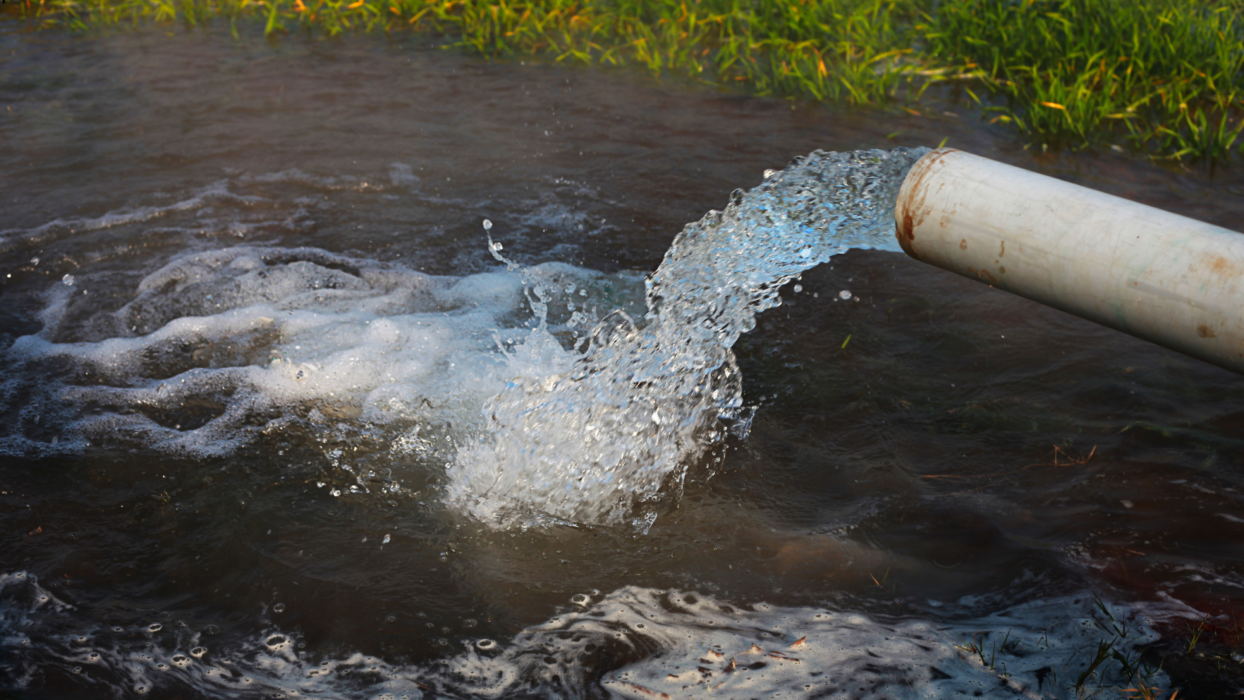
On paper, pump station delivery can look straightforward. The system is specified, installed, commissioned, and handed over. In reality, many projects follow a far more complicated path — one shaped by late design changes, misaligned disciplines, and decisions made without a full understanding of long-term impact.
At Advantage Pumping Solutions, we’re often brought in when things haven’t gone to plan. Over time, clear patterns emerge. The same issues appear again and again — across sectors, project sizes, and procurement routes.
This article explores the most common reasons pump station projects go wrong, and what can be done to prevent them.
1. Design Decisions Made Too Late
Many problems originate long before work begins on site. Pump stations are sometimes treated as a secondary consideration, with detailed design deferred until later stages of the programme.
When drainage strategy, hydraulic duty, or chamber configuration isn’t resolved early, it often leads to redesign, late authority feedback, or on-site compromise. These changes rarely come without cost or delay.
Early technical engagement allows design risks to be identified while there is still flexibility — a theme we explore further in Reducing Project Delays with Expert Pump Station Design.
2. Poor Coordination Between Civils and M&E
One of the most consistent causes of delivery issues is the interface between civil works and mechanical and electrical installation.
Incomplete information, unclear responsibilities, or assumptions made by one discipline about another can lead to misaligned pipework, access issues, or commissioning delays. These problems are rarely isolated — they tend to ripple through the programme.
Clear handover points and early coordination between civils and M&E teams are essential, as outlined in How to Ensure a Smooth Transition Between Civil & M&E Works.
3. Installation Without Adequate Technical Oversight
Even well-considered designs can underperform if installation isn’t properly supported.
Issues such as incorrect sequencing, inadequate preparation, or assumptions made on site can compromise long-term performance. Often, these aren’t immediately obvious — they only surface later as maintenance issues or operational inefficiencies.
We’ve covered practical installation considerations in more detail in Installation Best Practices for Commercial Pump Stations, where we highlight the importance of early guidance and on-site technical support.
4. Short-Term Cost Focus Over Long-Term Performance
Another recurring theme is value engineering driven purely by upfront cost. While this may achieve short-term savings, it can introduce higher operational costs, increased maintenance burden, and reduced system resilience over time.
The long-term impact of these decisions is explored in The Impact of Poorly Designed Pump Stations on Long-Term Costs — where lifecycle performance is often a far better measure of value than initial capital cost.
Learning From Experience
The issues outlined above are rarely the result of poor intent. More often, they stem from a lack of early clarity, fragmented responsibility, or insufficient technical oversight.
By engaging pump station specialists early, coordinating disciplines effectively, and designing with delivery and operation in mind, many of these risks can be avoided entirely.
Getting It Right First Time
At Advantage Pumping Solutions, we work alongside contractors, consultants, and developers to support pump station delivery from early design through to commissioning and long-term operation.
If you’re planning a project — or reviewing one that’s already underway — early technical input can make a measurable difference.
Speak to our technical team to discuss how we can help de-risk pump station delivery.