
 0844 963 3040
Pumping Stations for Major Infrastructure: Managing Risk in Live & High-Pressure Environments
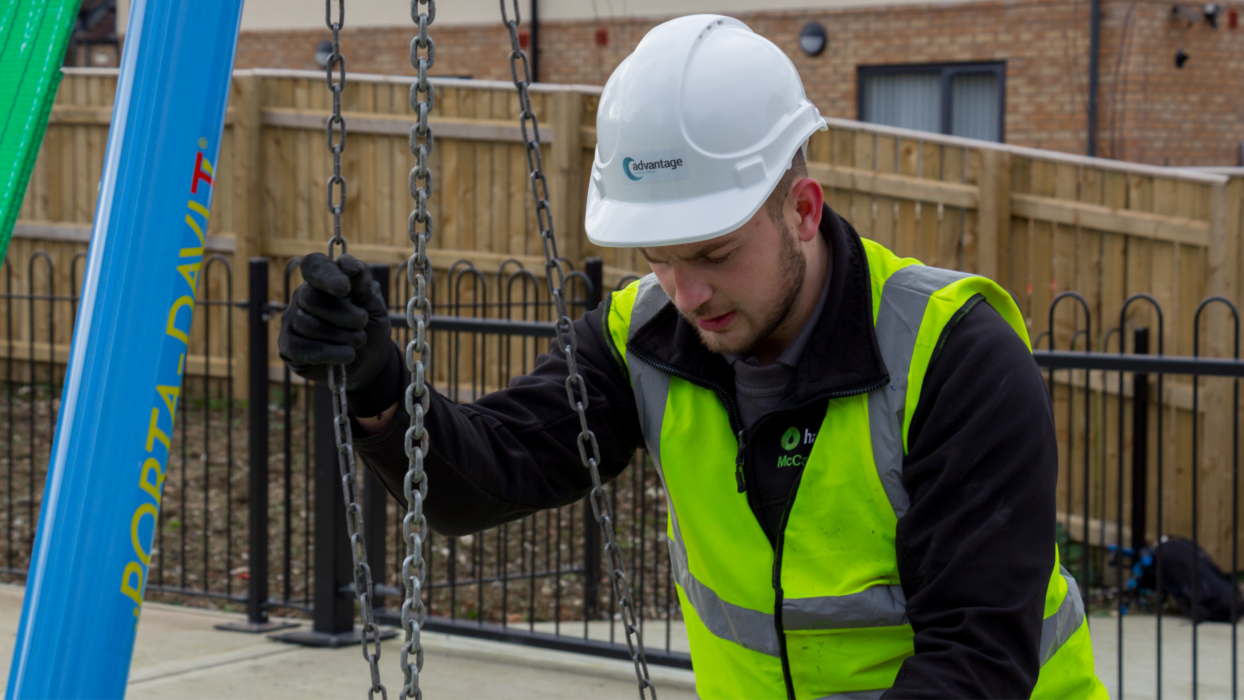
Major infrastructure projects operate under a different level of scrutiny.
Whether delivering works within a live transport setting, supporting flood alleviation schemes, or managing surface water for complex commercial environments, there is little tolerance for delay, redesign, or failure. Pumping systems in these settings are not simply drainage assets — they are critical infrastructure.
At Advantage Pumping Solutions, we support contractors and project teams delivering pumping stations in constrained and operational environments. In these scenarios, managing risk is just as important as meeting specification.
The Realities of Live & High-Pressure Environments
Infrastructure projects often involve:
• Restricted access windows
• Night-time working or phased closures
• Coordination with multiple trades
• Fixed programme deadlines
• Limited tolerance for rework
In these settings, even small design or installation issues can have disproportionate consequences.
We’ve previously explored how delays often stem from late-stage design changes or poor coordination in Reducing Project Delays with Expert Pump Station Design. In high-pressure environments, those risks are amplified.
Designing for Delivery, Not Just Compliance
Compliance remains essential — but it isn’t enough.
A pumping station that meets technical standards can still introduce delivery risk if it hasn’t been developed with installation sequencing, site access, and coordination in mind.
Designing for delivery means:
• Clarifying hydraulic requirements early
• Coordinating civil and M&E interfaces
• Understanding how the system will be installed within programme constraints
• Planning commissioning around operational limitations
These principles are particularly important in infrastructure settings, where access windows are fixed and disruption carries wider implications.
Coordination Is the Risk Control Mechanism
In live environments, coordination between disciplines becomes the single greatest factor in project success.
Misalignment between civils and M&E is a common cause of delay across projects of all types — something we explore in How to Ensure a Smooth Transition Between Civil & M&E Works.
On major infrastructure schemes, that coordination must be tighter, earlier, and more structured.
Installation Discipline Under Pressure
Installation errors that might be manageable on other sites can become programme-critical in live environments.
Clear sequencing, technical oversight, and structured commissioning reduce the likelihood of last-minute adjustments. Practical installation guidance — outlined in Installation Best Practices for Commercial Pump Stations — becomes even more important where access is limited and deadlines are fixed.
Beyond Commissioning: Long-Term Resilience
Infrastructure pumping systems are expected to perform reliably for years.
That means thinking beyond installation and considering lifecycle performance, maintenance access, and operational resilience from the outset — a theme reinforced in The Impact of Poorly Designed Pump Stations on Long-Term Costs.
Risk management doesn’t end at handover. It begins at design stage.
Supporting Major Infrastructure Projects
From transport settings to complex commercial environments, Advantage Pumping Solutions provides manufacturer-independent expertise and structured delivery support for pumping systems that must perform under pressure.
If you are delivering infrastructure works in constrained or operational environments, early technical engagement can significantly reduce risk and protect programme certainty.
Contact Advantage Pumping Solutions about supporting your next major project.