
 0844 963 3040
Designing Pump Stations for Delivery, Not Just Compliance
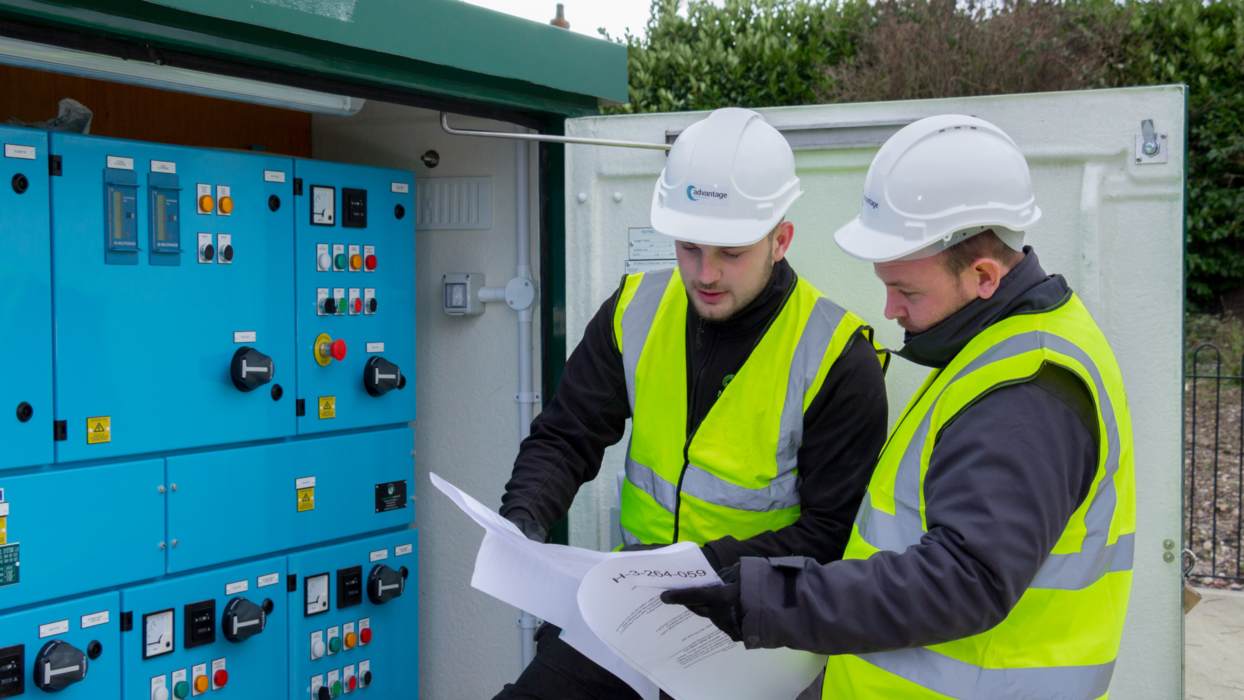
Meeting technical standards is essential — but compliance alone doesn’t guarantee a successful pump station.
In practice, many systems that meet regulatory requirements still encounter problems during installation, commissioning, or operation. The difference often lies in whether the system has been designed purely to pass approval, or genuinely engineered to be delivered and operated efficiently.
At Advantage Pumping Solutions, we believe pump stations should be designed for delivery — not just compliance.
Compliance Is the Starting Point, Not the End Goal
Standards and guidance provide a critical framework for pump station design, but they can’t account for the nuances of every site.
Designs that technically comply may still present challenges on site: difficult access, poor coordination with civils, or limited consideration of maintenance requirements. These issues often emerge once construction is underway, when options to resolve them are limited.
We’ve explored compliance requirements in more detail in How to Ensure Your Pump Station Meets Sewers for Adoption Standards, but meeting those standards should always be paired with practical delivery thinking.
Design With Installation in Mind
A pump station that looks sound on drawings can still be difficult to install if sequencing, access, or interfaces haven’t been fully considered.
Designing with delivery in mind means understanding how the system will actually be built, connected, and commissioned — not just how it appears in a specification.
This is particularly important where civil and M&E activities overlap, as discussed in How to Ensure a Smooth Transition Between Civil & M&E Works.
The Value of Manufacturer Independence
One of the most effective ways to design for delivery is to avoid forcing a site to fit a single, predetermined system.
Manufacturer-independent design allows pump stations to be configured around the realities of the site — hydraulic conditions, space constraints, installation sequencing, and long-term operation — rather than the limitations of a specific product range.
We explore this approach in more detail in Why Manufacturer Independence Matters in Pump Station Design.
Designing Beyond Handover
Delivery doesn’t end at commissioning. Pump stations are long-term assets, and design decisions directly affect how easily they can be maintained, accessed, and operated over time.
Systems designed purely to achieve approval often create avoidable maintenance challenges later. Designing for delivery means thinking beyond handover — a theme we also explore in Mechanical & Electrical Maintenance: Why It’s Crucial for Long-Term Performance.
Design That Supports the Whole Project Lifecycle
Designing pump stations for delivery requires a broader view — one that considers installation, operation, and long-term performance alongside compliance.
By working collaboratively with project teams and applying practical experience from live sites, pump station design can become a source of certainty rather than risk.
Let’s Talk Early
If you’re at the design stage of a project — or reviewing an existing proposal — early technical input can help ensure the system is not only compliant, but genuinely deliverable.
Contact Advantage Pumping Solutions to discuss how we can support your next project.